Compassionate Home Care Services: Caring for Loved Ones in Their Own Space
Compassionate home care services provide critical support for individuals wanting to stay in their familiar surroundings. These services address diverse needs, spanning daily help to specialized medical care. By emphasizing emotional wellness and maintaining dignity, caregivers foster meaningful relationships with family. Yet, many stay uninformed of the complete range of benefits that home care can deliver. Understanding these aspects is essential for making informed decisions about care options. What lies ahead in this investigation?

Essential Information About Home Care Services
Home care assistance fulfill an essential role in aiding individuals who need help due to age, illness, or disability. These supports offer a variety of personalized care solutions, including medical and non-medical support tailored to individual needs. Care can involve help with daily activities like bathing, dressing, and meal preparation, along with skilled nursing services like medication management and physical therapy.
Families often seek home care to allow their loved ones to stay in familiar surroundings while receiving necessary support. It can provide substantial comfort for family caregivers, who may struggle to balance work and personal responsibilities. Understanding the different kinds of home care services offered is essential for choosing wisely. Evaluating the specific needs of the individual and exploring local service providers can help families select the right care plan, ensuring that their loved ones receive compassionate and effective support at home.
Essential Advantages of Home Care for Older Residents
Home care solutions offer substantial advantages for seniors, highlighting their autonomy and dignity. Customized care plans ensure that individual needs are met, promoting a greater quality of life. Furthermore, obtaining support in a comfortable setting can enhance psychological wellness and ease.
Enhanced Independence And Respect
Many seniors encounter a desire for independence as they age, making enhanced independence a significant aspect of in-home care. By obtaining care in their home, seniors can retain authority over their habits and selections. This methodology builds a sense of dignity, allowing them to be engaged in activities that promote well-being and self-esteem. Home care services empower seniors to participate in determining their care about their care while delivering aid with daily tasks, ensuring they can exist as self-directed as possible. Additionally, the presence of a caregiver can minimize solitude, enabling seniors to copyright social connections and pursue hobbies. Ultimately, home care services fortify both independence and dignity, contributing positively to seniors' comprehensive life quality.
Customized Medical Programs
Personalized care plans play a vital role in maximizing the effectiveness of home care services for seniors, as they meet individual needs and preferences. These individualized plans consider each senior's personal medical history, lifestyle choices, and personal goals, making sure that care is both relevant and appropriate. By focusing on specific demands, caregivers can provide targeted support, boosting the quality of life for seniors. Additionally, personalized care plans facilitate better communication between caregivers and families, fostering a collaborative approach to care. This alignment not only builds trust but also empowers seniors to take an active role in their own care journey. Fundamentally, personalized care plans are essential in delivering empathetic, effective home care tailored to each individual’s circumstances.
Familiar Setting Perks
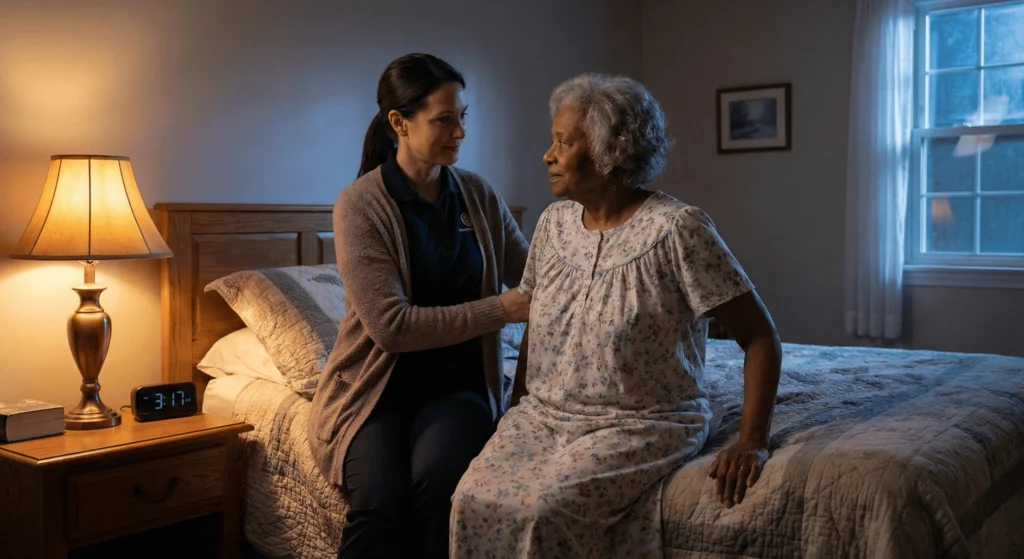
While adjusting to new surroundings can be challenging for seniors, receiving assistance in a known environment offers numerous advantages. Staying in their own homes allows seniors to copyright a sense of independence and control over their daily routines. Recognizable settings can reduce anxiety and confusion, cultivating a feeling of protection and comfort. Additionally, home care enables seniors to continue close to treasured memories and personal belongings, which can enhance emotional well-being. Social connections are also strengthened, as they can easily receive visits from family and friends. Furthermore, caregivers can tailor support to fit their unique environment, ensuring that assistance aligns with the senior's specific needs and preferences. Overall, home care fosters a holistic approach to well-being in a comforting space.
Home Care Service Options
Home care programs encompass a variety of types designed to address diverse individual needs. These services can broadly be categorized into non-medical and medical care. Non-medical home care usually provides support with daily living activities, such as personal hygiene, meal preparation, and companionship. Caregivers may also help with light housekeeping and errands, promoting a comfortable and supportive environment.
Conversely, medical home care involves skilled services delivered by qualified practitioners. This may include nursing care, physical therapy, and drug administration, tailored to individuals with specific health conditions. Additionally, specialized services such as comfort-focused treatment serve those with long-term diseases, emphasizing comfort and quality of life.
Finding the Perfect At-Home Care Vendor
How can one guarantee they choose the most suitable home care provider? The procedure begins with identifying distinct requirements, as requirements can differ widely among persons. Performing detailed study is essential; prospective customers should explore numerous agencies and their programs. Online reviews and endorsements can deliver perspectives into the quality of care offered.
Additionally, interviews with potential caregivers are vital. These interactions help households determine fit, examine communication styles, and determine care approaches. It is also vital to ask about the qualifications and training of care providers, making sure they have the required abilities and certifications.
Moreover, appreciating the fiscal details, covering payment possibilities and insurance coverage, is important to avert unexpected fees. Finally, confidence and comfort are paramount; families should be confident that their loved ones will receive compassionate, steadfast care in their own homes.
Popular False Beliefs Regarding Home Care Services
Many people hold misconceptions about home care services, particularly regarding their price and scope. It is often believed that home care is very costly and provides limited services. Addressing these myths is essential for a clearer understanding of what home care can provide.
Home Care Is Costly
Debunking the myth that home care options are excessively costly reveals a more complex reality. While some may perceive the costs as high, it's crucial to take into account the value provided. Home care can often be more cost-effective than other options like nursing homes or assisted living facilities, especially when accounting for the costs related to relocation and additional services. Furthermore, many families discover that home care helps preserve their loved ones' autonomy, potentially postponing the need for more intensive care. Coverage plans, government programs, and financial assistance options can further mitigate expenses. Understanding the thorough benefits of home care can shift perspectives, making it a feasible option for those looking for quality support in a comfortable environment.
Limited Services Available
attendants can deliver
Methods for Households to Engage in Home Care
Taking part in in-home care requires families to play an engaged role in their loved one's well-being. This involvement can express itself through regular communication and review now teamwork with caregivers to guarantee that care plans correspond to the individual’s needs. Families should join in daily routines, supporting meals, medication management, and personal care tasks when possible.
Furthermore, households can create a nurturing setting by encouraging social interactions and taking part in community activities as a group. Creating a consistent schedule for visits can assist in tracking the loved one's advancement and adjust care strategies as necessary.
Furthermore, families are encouraged to educate themselves about specific health conditions, which can enhance their ability to offer informed support. By remaining engaged, families not only support their family member's physical health but also advance emotional well-being, creating a nurturing atmosphere that encourages autonomy and dignity in the home care setting.
Remarkable Tales in Home Care
While the complications of residential care at home can be considerable, many families have found remarkable success stories that expose its prospective benefits. One such story involves the Johnson family, who effectively embraced home care for their senior mother, facilitating her to dwell in her cherished environment. The loyal caregiver rendered not only direct support but also interpersonal connection, which substantially boosted her psychological wellness.
Another inspiring instance is the Garcia family, who encountered the challenging task of managing their son's intricate medical needs at home. With the assistance of experienced home care specialists, they established a caring environment that encouraged self-reliance and growth. Their son flourished, reaching milestones formerly thought unattainable.
These powerful accounts reveal that, with adequate resources, care at home can elevate the quality of life for both patients and their families, forming precious memories while safeguarding dignity and comfort in familiar surroundings.
Frequently Requested Questions
What Are the Payment Options for Residential Care Assistance?
People can pay for home care services through direct funds, long-term care insurance, Medicaid, or Medicare, depending on eligibility. Investigating diverse financial options guarantees that families discover suitable financial solutions for necessary care provision.
Do Home Care Services Cater to Pets?
Home care services can usually welcome pets, subject to the provider's policies. It's crucial for families to communicate specific needs and logistics with the organization to guarantee a comfortable environment for both the client and their pets.
What Abilities Do Caregiver Professionals Usually Maintain?
Caregivers typically maintain qualifications in healthcare or hands-on support, instruction in first aid and CPR, and often have experience in elderly care. Many also undergo background checks and receive targeted education to address unique patient demands.
How Can I Reduce Caregiver Staff Attrition?
To manage caregiver attrition, one should concentrate on enhancing communication, providing competitive wages, providing continuous training, and fostering a supportive work environment. These strategies can improve staff stability and encourage caregivers to stay dedicated long-term.
Can Younger Adults Access Home-Based Care Services?
Yes, home care is accessible for youthful individuals. Many organizations furnish personalized services to satisfy the distinctive needs of this group, offering support for several health concerns, such as disabilities, persistent health issues, or surgical recovery.